










27-November-2026:
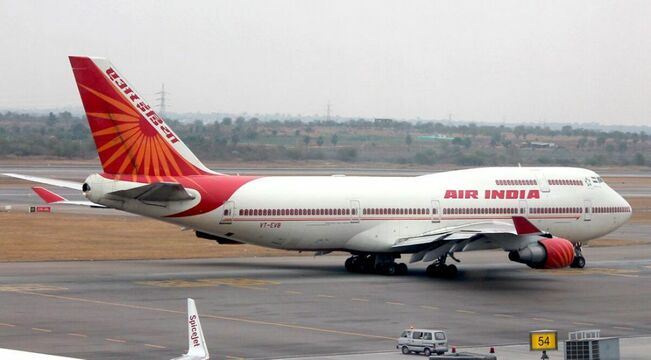
Air India announced on 27 November that its KM Malta Airlines partnership will become a codeshare from 1 December. The airline describes connections through six European gateways on a single ticket, with baggage checked through to Malta. Such partnerships extend the destinations accessible from India. They also raise an operational question. Can the traveller identify who will help when the connection requires intervention?
A booking may carry one airline’s code while another carrier operates the onward flight. Passengers need to understand that arrangement before paying. They also need accurate instructions about the transfer, available assistance and the documents their itinerary requires. A single ticket should come with a coherent account of the journey.
Airlines should make the operating carrier prominent during booking and confirm baggage arrangements for the particular itinerary. Check that connection information remains consistent across websites, confirmation messages and airport teams. Where passengers need assistance, the request should reach the team responsible for each relevant part of the trip.
Partners should test how staff handle schedule changes and a missed connection under the applicable ticket conditions. Establish a clear handover between the arriving and onward carriers, with a contact route passengers can use at the transfer airport. Customers should receive an explanation of the options available without having to reconstruct the commercial relationship between the airlines.
Management should review through-journey feedback and cases in which information or responsibility became unclear. These results belong alongside network expansion figures. The new Malta agreement offers an opportunity to demonstrate that partnerships can improve the experience across the whole itinerary. Indian aviation’s international reach will be more valuable when passengers can follow both the route on their ticket and the route to assistance.