




07-November-2026
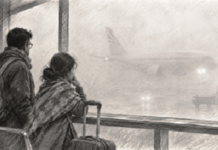
A 6 November advisory reported disruption to IndiGo schedules at Hyderabad because of low visibility. That report concerns conditions on that date; it should not be treated as confirmation that the same disruption continues today. Passengers must obtain current information from their airline.
The Aviation Times believes the incident offers a timely test of disruption preparedness. Decisions required for flight safety must be respected. The separate question is how effectively passengers are supported while operations are affected.
A delayed traveller needs a useful update, an identifiable assistance point and clear information about the available next steps.
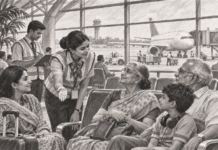
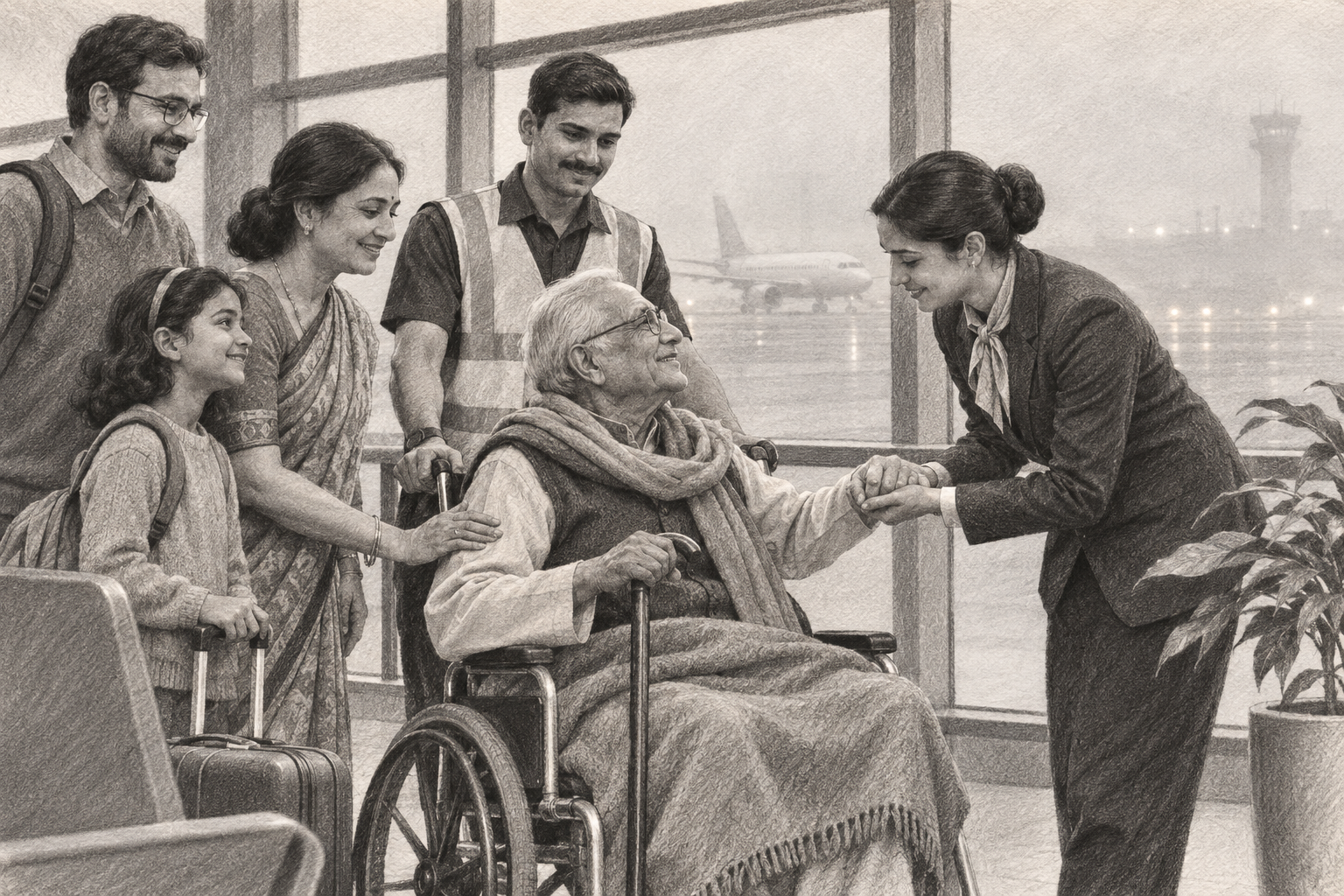
The Aviation Times questions whether airport displays, airline messages and ground staff consistently provide the same information. What arrangements support older passengers, people with disabilities and families facing a lengthy wait? How are connecting journeys reviewed?
A generic instruction to “check flight status” cannot carry the entire burden of customer care.
The Aviation Times recommends coordinated disruption procedures between airlines and airport operators, including regular updates even when a revised departure time remains uncertain. Assistance teams should identify passengers who need additional support rather than wait for distress to become visible.
Regulators should examine communication and assistance performance alongside operational indicators, while recognising that entitlements depend on the circumstances and applicable rules.
Safety must determine when an aircraft can fly. Professionalism must determine how passengers are treated while they wait. Weather may be beyond an airline’s control; the quality of its response is not.