




13-November-2026:
The Ministry of Civil Aviation held its first winter fog preparedness review on 27 October and called for realistic scheduling, timely communication and assistance during disruptions. The IMD’s 12 November forecast for Delhi–Safdarjung mentioned morning mist or shallow fog on 13 November. Airport visibility is measured separately, but the seasonal outlook gives airlines and airports time to test how they will handle the next spell of disruption.
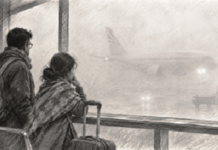
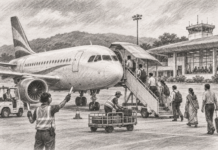
Fog can delay departures, displace aircraft and crews, and leave an onward flight without the aircraft it was scheduled to use. For passengers, the most costly uncertainty often begins before they leave home. An airline app can say ‘on time’ while a connecting aircraft is delayed elsewhere. By the time an update reaches the gate, families may already have spent hours travelling and waiting.
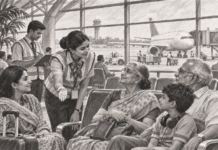
At fog-prone airports, airlines and operators should agree on a common update interval during disruption and use consistent messages across apps, text alerts, display boards and gate announcements. Alerts should tell passengers when to expect another update and where to find rebooking or assistance. Where a flight is cancelled, passengers should be able to see the available options without joining a queue simply to learn what they are.
The DGCA should review the time between a material change to a flight and the first passenger alert. It should also examine how long travellers wait for rebooking and how airports assist those who need help at the terminal. The aviation system cannot control the weather. It can control how long it leaves a passenger guessing.