






31-October-2026
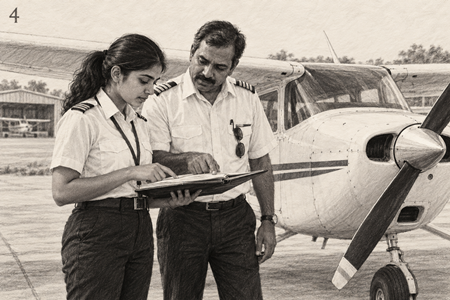
Air India announced on 30 October that its Flying Academy at Amravati’s Belora Airport had received DGCA approval. The development strengthens the prospect of greater domestic pilot-training capacity. Approval is a regulatory milestone; it does not, by itself, demonstrate completed training, graduate employment or operating performance.
For aspiring pilots and their families, the decision to enter training can involve substantial financial commitment. Their confidence must rest on clear information.
The Aviation Times believes that expanding training infrastructure should be accompanied by stronger consumer accountability. Applicants need to understand the complete training pathway, expected duration, foreseeable additional expenses and the conditions governing progression.
An airline connection may inspire confidence, but the precise relationship between training and employment must be stated in writing. A training place should never be interpreted as a job guarantee unless an enforceable commitment explicitly provides one.
The Aviation Times questions whether the wider training industry gives candidates sufficiently comparable information about aircraft availability, instructor capacity, completion times and additional charges.
Weather and operational constraints can affect flying schedules. Responsible institutions should explain how such risks are managed and how students are informed when progress falls behind expectations.
The Aviation Times recommends a standard disclosure statement for flying schools, supported by verified operational data. It should distinguish advertised capacity from aircraft available for training and explain refund, deferral and grievance arrangements.
Regulatory oversight must continue beyond approval. Training quality depends on maintenance, instructor supervision, safety culture and accurate records throughout the student’s journey.
Financing partners should also explain repayment obligations under different completion and employment scenarios.
India needs more well-trained pilots and better-informed applicants. Make training performance transparent, contractual promises precise and student protection a continuing obligation.