






India is building one of the world’s most ambitious aviation systems. Airlines have placed enormous aircraft orders. New airports are emerging, older airports are expanding, regional routes are connecting previously neglected cities, and Indian carriers aspire to compete for a much larger share of international traffic.
This momentum is a matter of national confidence. But aviation is an industry in which expansion cannot be separated from discipline. Every additional aircraft, route and airport creates a corresponding need for pilots, engineers, air-traffic controllers, safety inspectors, maintenance facilities, emergency services and regulatory oversight.
Growth may be celebrated in passenger numbers. Trust is earned one safe flight at a time.
Recent scrutiny of the Directorate General of Civil Aviation has raised questions about staffing, regulatory capability and the management of conflicts of interest. Government documents reported by Reuters showed that the Civil Aviation Ministry had challenged the regulator over conflict-management failures while the DGCA was simultaneously overseeing a rapidly expanding market. reuters.com
This is not a reason to diminish the regulator. It is a reason to strengthen it.
India needs a professionally autonomous, adequately staffed and transparently accountable aviation safety authority. Technical appointments should be based on competence. Conflicts of interest must be disclosed and independently reviewed. Inspection findings should be followed through to closure, and enforcement should remain insulated from commercial or political influence.
Airlines also carry an obligation that extends beyond formal compliance. Safety culture is weakened when operational pressure discourages employees from reporting fatigue, maintenance concerns or scheduling violations. Pilots, engineers and cabin crew must be able to raise safety issues without fear of professional retaliation.
The financial condition of airlines cannot be treated as unrelated to safety and passenger welfare. An airline facing severe cash pressure may experience difficulty retaining employees, paying lessors, maintaining schedules and planning long-term fleet reliability. Regulatory surveillance should therefore combine technical inspection with early warning indicators of financial and operational distress—without converting the government into a permanent rescuer of unsustainable businesses.
Infrastructure planning requires similar seriousness. The dispute over transferring flights between Mumbai’s existing airport and Navi Mumbai International Airport illustrates the complexity of multi-airport systems. Airlines raised concerns about costs, surface connectivity, operating feasibility and passenger inconvenience, leading the government to pause the proposed mandatory transition while further consultations proceeded. timesofindia.indiatimes.com
Airports cannot be planned as isolated real-estate assets. They must be integrated with airlines, airspace, roads, metro and rail connectivity, cargo systems and the economic geography of the cities they serve. Moving a flight on a timetable is easy; moving passengers, employees, baggage, maintenance and connecting traffic is considerably more difficult.
Geopolitical instability and rising fuel costs are adding another layer of risk. Indian airlines recently suspended services to Riyadh following security threats, while IndiGo introduced higher fuel charges after aviation-turbine-fuel prices increased. reuters.com These developments demonstrate the need for resilient route planning, transparent passenger communication and stronger financial buffers.
India should now establish an Aviation Capacity and Safety Council bringing together the Ministry, DGCA, Airports Authority of India, airport operators, airlines, maintenance organisations, employee representatives and passenger bodies. It should publish a rolling ten-year assessment of aircraft induction, workforce requirements, regulator staffing, airport capacity, maintenance capability and emergency preparedness.
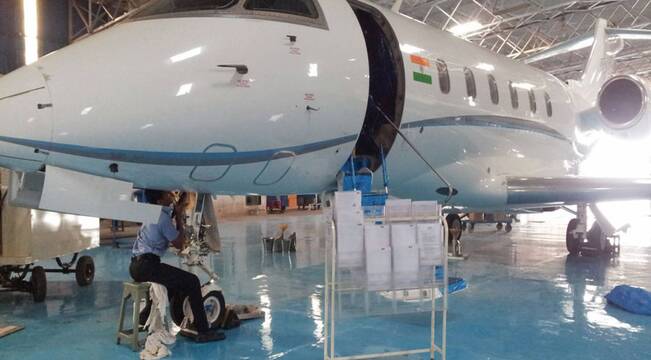
The industry must also accelerate domestic maintenance, repair and overhaul capacity. An aircraft fleet of historic scale cannot remain excessively dependent on overseas facilities and imported technical expertise.
India has the market, geography and ambition to become a global aviation power. But the true mark of leadership will not be the number of aircraft ordered or terminals inaugurated. It will be the creation of an aviation system in which safety institutions grow ahead of traffic, employees are respected, passengers are treated fairly and commercial urgency never overrules professional judgment.
The runway to global leadership is open. India must ensure that every institution responsible for safety is ready for take-off.